Facing a CBP polygraph as part of the hiring process can be nerve-wracking, but preparation makes a real difference. This guide walks through the questions and process behind this lie detector test.
A career with U.S. Customs and Border Protection demands the highest levels of honesty and integrity. The mandatory polygraph examination is one of the most consequential steps in the CBP hiring pipeline. This comprehensive guide covers every phase of the CBP polygraph—from scheduling and question types to drug-use guidelines, waivers, results interpretation, and proven preparation strategies.
TL;DR — The Short Version
- Mandatory by law — The Anti-Border Corruption Act of 2010 (Public Law 111-376, S.3243) requires every CBP law enforcement applicant to complete a polygraph examination before hiring.
- Four-hour process — The exam typically spans about four hours with pre-test, in-test (10–15-minute questioning blocks), and post-test phases.
- Honesty over perfection — CBP seeks honest, trustworthy candidates, not people with perfect histories. Dishonesty is an automatic disqualifier.
- Drug use disclosure — Prior illegal drug use may be mitigated through a 'whole person' analysis, but concealing it will result in disqualification.
- Quality control review — Results are not final until reviewed by a team of experienced senior federal polygraph examiners who independently verify the data.
- Two-year validity — CBP polygraph results remain valid for two years and may be shared with other federal agencies under reciprocity directives.
- Waivers exist — Certain veterans with active TS/SCI clearances may qualify for polygraph waivers under Section 1049 of the National Defense Authorization Act for FY2017.
- Massive scale — CBP's Credibility Assessment Division administers more than 16,000 polygraph examinations annually from 26 offices nationwide.
Who This Guide Is For
- Border Patrol Agent applicants navigating the CBP hiring pipeline
- CBP Officer candidates preparing for their first polygraph examination
- Air and Marine Operations (AMO) Agent applicants seeking clarity on the process
- Current DHS employees considering a transfer to CBP law enforcement roles
- Veterans exploring whether they qualify for a polygraph waiver under the NDAA FY2017
- Anyone who wants to understand how federal law enforcement polygraph exams work
What Is the CBP Polygraph Exam?
How the CBP Polygraph Works
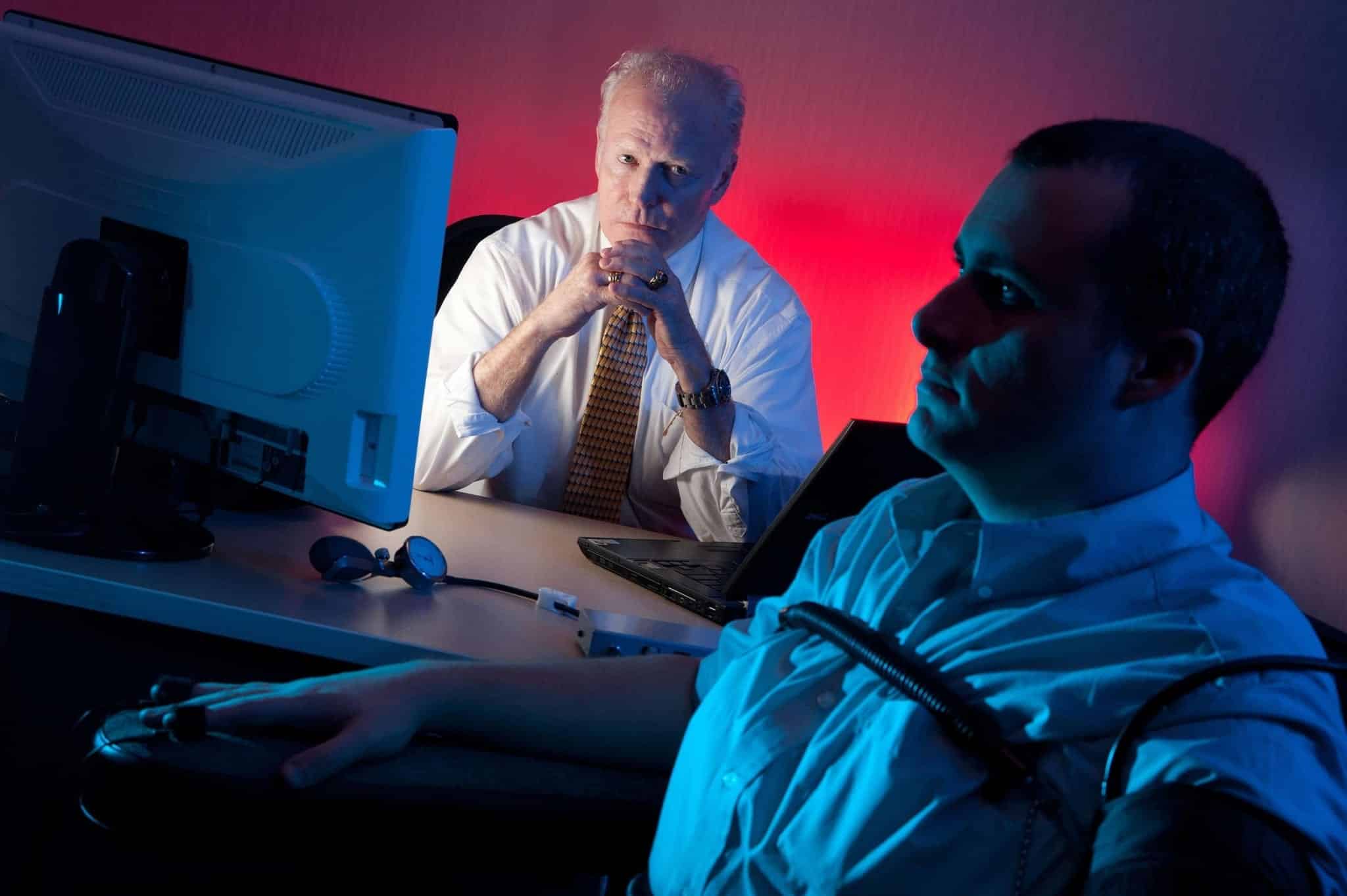
The CBP polygraph exam is a credibility assessment tool that measures involuntary physiological responses while applicants answer a structured series of questions. Biometric sensors are placed on the examinee's body to record four primary channels of data: cardiovascular activity (heart rate and relative blood pressure changes), respiratory patterns (thoracic and abdominal breathing), electrodermal activity (skin conductance or galvanic skin response), and, in some configurations, movement or countermeasure detection [7]Verified Examining Different Types of Comparison Questions in a Field Study of CQT Polygraph Technique
Provides evidence for the practical effectiveness of both exclusive and non-exclusive comparison questions in operational polygraph settings.
During the examination, these physiological indicators are continuously monitored and charted. The trained polygraph examiner then analyzes the recorded data to determine whether the examinee's physiological responses are consistent with truthfulness or indicative of deception. Research into polygraph test formats has demonstrated that the structured question formats used in federal screening programs produce reliable physiological data when administered by qualified professionals [8]Verified Optimization of Signal Processing Parameters in Psychophysiological Studies on the Example of GSR and PPG
Validates universal signal processing parameters for physiological signals used in polygraph examinations.
It is important to understand that the polygraph does not 'read minds'—it records measurable bodily reactions that trained professionals interpret in the context of the questions asked and the overall testing environment. Studies on the impact of examiner approach confirm that a professional, diagnostic approach—as mandated in federal programs—produces the most accurate results [9]Verified Examiner Approach and its Impact on Polygraph Results
Demonstrates that interrogative examiner approaches compromise polygraph validity while diagnostic approaches produce accurate results.
CBP's polygraph examiners are federally certified professionals who have completed intensive training at the National Center for Credibility Assessment (NCCA) at Fort Jackson, South Carolina [10]Verified Uncovering the Truth — CBP Newsroom
Confirms NCCA training details, polygraph program improvements, FY2019 pass rate increases, and examiner certification requirements. The NCCA curriculum spans approximately 14 weeks and includes psychology, physiology, law, ethics, and polygraph analysis, with graduates earning 15 credit hours toward a master's degree [10]Verified Uncovering the Truth — CBP Newsroom
Confirms NCCA training details, polygraph program improvements, FY2019 pass rate increases, and examiner certification requirements. After graduation, examiners complete a six-month supervised internship before becoming fully certified, and must complete 80 hours of continuing education every two years [10]Verified Uncovering the Truth — CBP Newsroom
Confirms NCCA training details, polygraph program improvements, FY2019 pass rate increases, and examiner certification requirements.
Every CBP polygraph examination is audio recorded in its entirety. This recording becomes part of the official record and is subject to review by quality control personnel and management [3]Verified Most Complaints about CBP's Polygraph Program Are Ambiguous or Unfounded (OIG-18-68)
Confirms quality control review process, 28% pass rate during 2013-2016, 87% of applicants not reaching polygraph phase, and lack of formal complaint process at the time. CBP does not consider any polygraph result final until quality control personnel review, concur with, and certify the examiner's results [3]Verified Most Complaints about CBP's Polygraph Program Are Ambiguous or Unfounded (OIG-18-68)
Confirms quality control review process, 28% pass rate during 2013-2016, 87% of applicants not reaching polygraph phase, and lack of formal complaint process at the time.
The polygraph is not the sole determinant of your suitability for employment. It is one component of a broader Tier V background investigation that includes a personal interview, reference checks, financial review, and the security questionnaire (formerly e-QIP). The polygraph results, combined with all other gathered information, feed into a final suitability determination made by trained personnel security specialists—not by the polygraph examiner [4]Verified Polygraph Exam FAQs — CBP Careers
Confirms polygraph results are valid for two years, exam scheduling process, and that results are used in overall agency adjudication.
Why CBP Requires a Polygraph Examination
The Critical Role of Integrity in Border Security
U.S. Customs and Border Protection is the largest federal law enforcement agency in the United States [11]Verified United States Customs and Border Protection — Wikipedia
Confirms CBP as the largest federal law enforcement agency with 328 ports of entry, with more than 60,000 employees [12]Verified About CBP — Official Website
Confirms CBP has more than 60,000 employees and is one of the world's largest law enforcement organizations. CBP is responsible for patrolling nearly 6,000 miles of Mexican and Canadian international land borders and over 2,000 miles of coastal waters [13]Verified Border Patrol Overview — CBP Official Website
Confirms Border Patrol is responsible for patrolling nearly 6,000 miles of Mexican and Canadian international land borders and over 2,000 miles of coastal waters, along with 95,000 miles of maritime border in partnership with the United States Coast Guard [14]Verified Federal Register — U.S. Customs and Border Protection Agency Description
Confirms CBP protects 95,000 miles of maritime border in partnership with the U.S. Coast Guard. The agency provides security and facilitation operations at 328 ports of entry throughout the country [15]Verified At Ports of Entry — CBP Official Website
Confirms CBP provides security and facilitation operations at 328 ports of entry throughout the country.
Personnel in frontline roles—Border Patrol Agents, CBP Officers, and Air and Marine Operations Agents—are entrusted with extraordinary authority, including the power to search, detain, and arrest individuals, inspect cargo, and make decisions that directly impact national security. Given the magnitude of these responsibilities and the inherent corruption risks associated with border enforcement (drug trafficking, human smuggling, bribery, espionage), CBP employs the polygraph to verify that applicants possess the honesty and integrity essential for the mission.
The exam helps identify candidates who may have concealed disqualifying information on their security questionnaire, during pre-screening interviews, or on the Standard Form 86 (SF-86). CBP's Credibility Assessment Division administers more than 16,000 polygraph examinations annually, with over 500 referrals made per year to federal, state, and local law enforcement authorities due to serious criminal admissions discovered during the process [6]Verified Office of Professional Responsibility — CBP Organization
Confirms Credibility Assessment Division operates from 26 offices, administers 16,000+ polygraph examinations annually, and makes 500+ law enforcement referrals per year.
The polygraph also serves as a powerful deterrent. Applicants who know they will be subjected to a credibility assessment are significantly more likely to be forthcoming about their histories during earlier stages of the application process. This 'disclosure effect' is one of the most well-documented benefits of pre-employment polygraph programs in federal law enforcement. A DHS OIG audit found that 26% of applicants who reached the polygraph phase were disqualified during the pre-test phase alone after admitting to crimes and adverse behavior [3]Verified Most Complaints about CBP's Polygraph Program Are Ambiguous or Unfounded (OIG-18-68)
Confirms quality control review process, 28% pass rate during 2013-2016, 87% of applicants not reaching polygraph phase, and lack of formal complaint process at the time.
For insight into how other federal agencies approach this process, see our guides on the CIA polygraph exam and the ATF polygraph exam. To understand why agencies like the NSA, FBI, and CIA use lie detector tests, our dedicated guide provides detailed comparisons.
The Anti-Border Corruption Act of 2010
Legislative Mandate for CBP Polygraph Testing
The Anti-Border Corruption Act (ABCA) of 2010 (S.3243, Public Law 111-376) is the legislative cornerstone that makes polygraph testing mandatory for all CBP law enforcement applicants [1]Verified Anti-Border Corruption Act of 2010 (S.3243, Public Law 111-376)
Confirms the legislative mandate requiring all CBP law enforcement applicants to receive polygraph examinations before hiring. Signed into law on January 4, 2011, the ABCA was enacted in response to high-profile cases of corruption within border security agencies and growing concerns about the infiltration of federal ranks by criminal organizations [16]Verified Anti-Border Corruption Act of 2010 — Compiled Text (As Amended Through P.L. 114-279)
Confirms Congressional findings on 129 CBP corruption arrests since 2003 and 576 investigations opened in 2009, plus reporting requirements. Congressional findings documented that since 2003, 129 CBP officials had been arrested on corruption charges, and during 2009 alone, 576 investigations were opened on allegations of improper conduct [16]Verified Anti-Border Corruption Act of 2010 — Compiled Text (As Amended Through P.L. 114-279)
Confirms Congressional findings on 129 CBP corruption arrests since 2003 and 576 investigations opened in 2009, plus reporting requirements.
The act established a clear mandate: every applicant for a law enforcement position within CBP must submit to and successfully complete a polygraph examination as part of their Tier V background investigation [1]Verified Anti-Border Corruption Act of 2010 (S.3243, Public Law 111-376)
Confirms the legislative mandate requiring all CBP law enforcement applicants to receive polygraph examinations before hiring. This requirement applies equally to Border Patrol Agents, CBP Officers, and AMO Agents. CBP was given two years from enactment to achieve full implementation of the polygraph requirement for all law enforcement applicants [1]Verified Anti-Border Corruption Act of 2010 (S.3243, Public Law 111-376)
Confirms the legislative mandate requiring all CBP law enforcement applicants to receive polygraph examinations before hiring.
The ABCA also directed CBP to develop robust quality assurance mechanisms for its polygraph program and required the Secretary of Homeland Security to report to Congress every 180 days for two years on progress in complying with the mandates [16]Verified Anti-Border Corruption Act of 2010 — Compiled Text (As Amended Through P.L. 114-279)
Confirms Congressional findings on 129 CBP corruption arrests since 2003 and 576 investigations opened in 2009, plus reporting requirements. In 2015, the Homeland Security Advisory Committee noted that arrests for corruption among CBP personnel far exceeded, on a per capita basis, such arrests at other federal law enforcement agencies [17]Verified CBP Spent $5 Million on Lie Detector Tests for Disqualified Applicants
Confirms that in 2015 the Homeland Security Advisory Committee noted that corruption arrests among CBP personnel far exceeded other federal law enforcement agencies on a per capita basis—underscoring the continuing importance of rigorous pre-employment screening.
Since full implementation, virtually every Border Patrol Agent, CBP Officer, and AMO Agent hired by CBP has taken and passed the polygraph exam [4]Verified Polygraph Exam FAQs — CBP Careers
Confirms polygraph results are valid for two years, exam scheduling process, and that results are used in overall agency adjudication. Between fiscal years 2013 and 2016 alone, CBP spent approximately $72.3 million on the polygraph program and administered examinations to 32,847 applicants [18]Verified Management Alert — CBP Spends Millions Conducting Polygraph Examinations on Unsuitable Applicants (OIG-17-99-MA)
Confirms CBP spent approximately $72.3 million on the polygraph program and administered polygraph examinations to 32,847 applicants between FY2013-2016. The program is one of the largest pre-employment polygraph operations in the federal government, with the polygraph exam used by 30 federal agencies with law enforcement and national security missions [19]Verified U.S. Customs and Border Protection: Efforts to Improve Recruitment, Hiring, and Retention (GAO-24-107029)
Confirms polygraph is used by 30 federal agencies, CBP pass rates have generally improved, and hiring process includes nearly a dozen steps.
Scheduling & Logistics
How the CBP Polygraph Exam Is Scheduled
After you complete your security questionnaire submission and undergo a pre-screening interview, you will be contacted by an assigned polygraph examiner to schedule your exam [2]Verified Polygraph Exam Information — CBP Careers
Confirms two-year result validity, exam process details, and that virtually every CBP law enforcement officer hired since 2010 has taken the polygraph. This scheduling typically occurs within a few weeks of completing the prior steps, though timelines can vary based on the volume of applications, the location of the nearest CBP exam center, and examiner availability. CBP's pre-employment investigative screening process—including the polygraph exam and background investigation—can take up to 12 months or longer [20]Verified FAQ — CBP Careers
Confirms pre-employment investigative screening can take up to 12 months or longer.
CBP's Credibility Assessment Division operates from 26 offices and other satellite locations across the country [6]Verified Office of Professional Responsibility — CBP Organization
Confirms Credibility Assessment Division operates from 26 offices, administers 16,000+ polygraph examinations annually, and makes 500+ law enforcement referrals per year. Testing sites include locations in major applicant hubs such as San Antonio, Atlanta, Portland, McAllen, El Paso, San Diego, and Miami [10]Verified Uncovering the Truth — CBP Newsroom
Confirms NCCA training details, polygraph program improvements, FY2019 pass rate increases, and examiner certification requirements. The CBP Minneapolis Hiring Center (MHC) manages much of the administrative processing for applicants, including scheduling fitness tests, structured interviews, and coordinating with the polygraph division [21]Verified CBP Minneapolis Hiring Center — Official Listings
Confirms the Minneapolis Hiring Center (MHC) manages fitness test scheduling and applicant communications.
When your exam is scheduled, you will receive written reporting instructions that include the exact date, time, and location of your appointment, along with specific directions for what to bring and how to prepare. It is critical that you read these instructions thoroughly and follow them precisely. If you need to cancel or reschedule, contact your assigned examiner directly.
What to Bring to the CBP Polygraph
Official photo identification — A government-issued ID such as a driver's license or passport.
Written reporting instructions — The document you received when your exam was scheduled.
Snacks and water — You may be at the facility for several hours, and refreshments will help maintain your energy.
Prescribed medications — Continue taking all medications as directed by your physician.
Do not bring weapons, recording devices, or electronic devices. Your cell phone should be left in your vehicle or completely powered off during the examination.
The Three Phases of the CBP Polygraph Exam
Phase 1: Pre-Test Interview
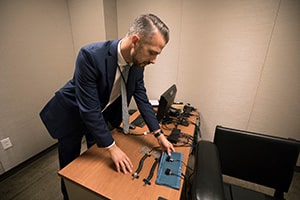
The pre-test phase is the longest segment of the examination and is dedicated to establishing rapport, explaining the process, and reviewing the questions that will be asked during data collection [2]Verified Polygraph Exam Information — CBP Careers
Confirms two-year result validity, exam process details, and that virtually every CBP law enforcement officer hired since 2010 has taken the polygraph. Your examiner will introduce themselves, explain how the polygraph instrument works, walk you through the biometric sensors that will be attached, and discuss the types of questions you will encounter [2]Verified Polygraph Exam Information — CBP Careers
Confirms two-year result validity, exam process details, and that virtually every CBP law enforcement officer hired since 2010 has taken the polygraph.
This phase also includes a review of your security questionnaire and an opportunity to clarify, update, or amend any information you previously provided. The examiner will discuss each relevant question so there are no surprises during the in-test phase. Research confirms that effective pre-test interviewing—where the examiner takes a diagnostic rather than interrogative approach—significantly improves the accuracy and fairness of the examination [9]Verified Examiner Approach and its Impact on Polygraph Results
Demonstrates that interrogative examiner approaches compromise polygraph validity while diagnostic approaches produce accurate results. Building trust and reducing anxiety are central goals of this phase.
If you have an anxiety disorder, discuss this with your examiner during the pre-test. Nervousness alone will not cause you to fail the exam [2]Verified Polygraph Exam Information — CBP Careers
Confirms two-year result validity, exam process details, and that virtually every CBP law enforcement officer hired since 2010 has taken the polygraph.
Phase 2: In-Test (Data Collection)
During the in-test phase, biometric sensors are attached to your body to measure cardiovascular, respiratory, and electrodermal activity. The actual data collection occurs in several discrete questioning sessions, each lasting approximately 10 to 15 minutes [2]Verified Polygraph Exam Information — CBP Careers
Confirms two-year result validity, exam process details, and that virtually every CBP law enforcement officer hired since 2010 has taken the polygraph. Between sessions, the sensors may be temporarily released to allow you to move and remain comfortable.
During each session, you will be asked to sit still, look straight ahead, and answer the reviewed questions with simple 'yes' or 'no' responses. The examiner records multiple charts (data runs) to ensure consistency and accuracy of the physiological data. Modern signal processing techniques validated by research—including optimized parameters for galvanic skin response and photoplethysmographic signals—help examiners achieve reliable, standardized measurements [22]Verified Practical Polygraph: How to Parse Categorical Results for Test Questions of Diagnostic and Screening Polygraphs
Provides guidance on scoring methodologies for screening examinations used in federal pre-employment programs. This is the core of the examination where the instrument captures the physiological information that will be analyzed.
Research on comparison question techniques has demonstrated that both exclusive and non-exclusive comparison questions produce effective results in operational settings [23]Verified Effect of two types of control questions and two question formats on the outcomes of polygraph examinations
Demonstrates that nonexclusive control questions achieved 85% accuracy for guilty and 91% accuracy for innocent subjects in polygraph examinations, and that the scoring methodologies used by federal agencies are well-validated [24]Verified Effects of differing numerical chart evaluation systems on polygraph examination results
Foundational research on standardized chart evaluation systems used in federal polygraph programs.
Phase 3: Post-Test Review
After data collection is complete, the examiner will review the preliminary results with you. You will be informed of your preliminary outcome—whether the data indicates no significant response (passing), significant response (not passing), or inconclusive results [3]Verified Most Complaints about CBP's Polygraph Program Are Ambiguous or Unfounded (OIG-18-68)
Confirms quality control review process, 28% pass rate during 2013-2016, 87% of applicants not reaching polygraph phase, and lack of formal complaint process at the time. You will have the opportunity to ask questions, provide additional context, or clarify any issues.
It is important to understand that these preliminary results are not final. The examination data and audio recording are submitted to a Quality Control (QC) team composed of experienced senior federal polygraph examiners who independently review the results. CBP does not consider a polygraph result complete until at least two examiners independently and objectively agree on the results [3]Verified Most Complaints about CBP's Polygraph Program Are Ambiguous or Unfounded (OIG-18-68)
Confirms quality control review process, 28% pass rate during 2013-2016, 87% of applicants not reaching polygraph phase, and lack of formal complaint process at the time. The QC process typically takes several weeks.
Once the QC review is complete, the final results are forwarded to the Personnel Security Division for adjudication as part of your overall background investigation. Applicants who pass continue in the hiring process. Those who fail can retake the exam after 2 years. If a test is inconclusive, CBP may invite an applicant to retake the exam at a later date [3]Verified Most Complaints about CBP's Polygraph Program Are Ambiguous or Unfounded (OIG-18-68)
Confirms quality control review process, 28% pass rate during 2013-2016, 87% of applicants not reaching polygraph phase, and lack of formal complaint process at the time.
CBP Polygraph Questions: What You Will Be Asked
Types of Questions on the CBP Polygraph
The CBP polygraph examination uses a structured question format focused on suitability for a federal law enforcement position and national security concerns [10]Verified Uncovering the Truth — CBP Newsroom
Confirms NCCA training details, polygraph program improvements, FY2019 pass rate increases, and examiner certification requirements. The examiner will review every question with you during the pre-test phase so there are no surprises.
The question categories typically cover integrity and honesty, criminal history, drug use, associations with criminal elements, financial issues, and behaviors that could create vulnerabilities or conflicts of interest. Understanding these categories helps you mentally prepare and ensures you have carefully reviewed your own history before the examination.
For a broader perspective on how pre-employment polygraph questions are structured across different law enforcement agencies, our guide on what is a screening polygraph covers common themes and preparation strategies. Understanding the Directed Lie Screening Test (DLST) methodology can also provide helpful context for understanding how federal screening polygraphs work.
Common CBP Polygraph Question Topics
Based on publicly available CBP guidance and the agency's stated focus areas, the following are representative question areas that may be covered during your examination:
Illegal Drug Use — Have you ever used, possessed, manufactured, or distributed illegal drugs? This includes marijuana, cocaine, methamphetamine, heroin, hallucinogens, anabolic steroids, and the misuse of prescription medications.
Falsification of Application Materials — Have you provided false, misleading, or incomplete information on any application form, the SF-86, security questionnaire, or during any interview in the hiring process?
Undetected Criminal Activity — Have you committed any crimes that were not detected by law enforcement?
Theft from Employers — Have you stolen money, property, or merchandise from any employer?
Dishonesty with Law Enforcement — Have you ever provided false information to a law enforcement officer?
Smuggling Activities — Have you participated in, facilitated, or had knowledge of any form of smuggling?
Corruption and Bribery — Have you received money, gifts, or favors in exchange for performing or not performing job duties?
Human Trafficking — Have you been involved in or had knowledge of any human trafficking activities?
Espionage or Sabotage — Have you participated in or supported any form of espionage or sabotage against the United States? Our guide on whether a lie detector test can uncover a terrorist or terror plans explores this critical dimension of national security polygraph testing.
Subversive Organization Membership — Have you been a member of any organization that advocates the violent overthrow of the U.S. government?
Prescription Drug Abuse — Have you used prescription medications in a manner not prescribed by a physician?
Prior Background Investigation Dishonesty — Have you been dishonest during any previous background investigation or security clearance process?
Abuse of Position — Have you used any official position for personal gain, favors, or advantages?
Compromising Behavior — Have you engaged in behavior that could be used to compromise, blackmail, or coerce you?
The key is not having a perfect past—it is being completely honest about your actual history.
Drug Use Guidelines & Adjudication Standards
CBP Prior Drug Use Policy
Illegal drug use is one of the most consequential and frequently misunderstood areas of the CBP application process. CBP has publicly shared its drug use guidelines to help applicants make informed decisions about whether to proceed with their application.
CBP applies the following disqualification thresholds based on recency of use at the time of application:
Marijuana — Any use within 90 days prior to applying results in disqualification. This threshold was lowered from two years to 90 days in 2024 to align with broader government-wide changes to personnel vetting forms that similarly separated marijuana from other drugs [25]Verified CBP Relaxes Marijuana Policy for Border Patrol Recruits
Confirms CBP lowered the marijuana use lookback period from two years to 90 days in 2024. This change was designed in part to address confusion between federal law and state law in states where marijuana has been legalized [25]Verified CBP Relaxes Marijuana Policy for Border Patrol Recruits
Confirms CBP lowered the marijuana use lookback period from two years to 90 days in 2024.
Anabolic Steroids or Misuse of Prescription Drugs — Any use within 24 months prior to applying results in disqualification [26]Verified Eligibility and Hiring Process Overview — HonorFirst.com
Confirms CBP drug use disqualification thresholds: marijuana 90 days, anabolic steroids/prescription drugs 24 months, other Schedule I-V drugs 36 months.
All Other Schedule I-V Drugs (e.g., cocaine, methamphetamine, heroin) — Any use within 36 months prior to applying results in disqualification [26]Verified Eligibility and Hiring Process Overview — HonorFirst.com
Confirms CBP drug use disqualification thresholds: marijuana 90 days, anabolic steroids/prescription drugs 24 months, other Schedule I-V drugs 36 months.
For drug use that falls outside these recency windows, CBP conducts a 'whole person' analysis that considers multiple aggravating and mitigating factors: frequency and duration of use, recency of the most recent use, circumstances surrounding the use, age at the time of use, contributing societal conditions, likelihood of recurrence, and demonstrated intent not to use illegal drugs in the future.
The critical takeaway is that previous illegal drug use may be mitigated, but dishonesty about drug use will not be. Your responses across the SF-86, the personal interview, and the polygraph examination will be compared for consistency. Applicants who attempt to conceal their drug history face automatic disqualification when the inconsistency is detected.
It is important to note that marijuana remains a Schedule I substance under the federal Controlled Substances Act, and CBP is a federal agency required to comply with federal law [25]Verified CBP Relaxes Marijuana Policy for Border Patrol Recruits
Confirms CBP lowered the marijuana use lookback period from two years to 90 days in 2024. Even in states where marijuana has been legalized, federal standards apply to CBP employment.
How to Prepare for the CBP Polygraph Exam
Physical and Logistical Preparation
Proper preparation can significantly reduce anxiety and help you perform your best during the polygraph exam. For a complete pre-exam checklist, see our guide to preparing for a polygraph exam. The following recommendations come directly from CBP guidance and professional best practices:
Get adequate sleep — Aim for a full night's rest the night before your exam. Avoid working a midnight shift before your appointment, as sleep deprivation can affect physiological baselines and make the examination more difficult. Our night-before preparation guide covers detailed strategies for optimizing your rest.
Eat a balanced meal — Have breakfast or a meal before arriving. A four-hour examination is physically demanding, and low blood sugar can affect your focus and comfort.
Bring snacks and water — You will have breaks during the exam. Having refreshments available helps maintain energy and comfort.
Continue prescribed medications — Take all medications as directed by your physician. Do not skip doses because of the exam. If you are concerned about how medications might affect your results, discuss this with your examiner during the pre-test phase.
Dress in business-casual attire — Wear comfortable clothing suitable for sitting in one position for extended periods. Avoid excessively tight clothing that might restrict breathing or circulation.
Set aside the full day — Plan to be available for the entire day. Do not schedule other appointments or commitments that could create time pressure.
Arrive on time — Lateness creates stress and can negatively impact your experience. If you are delayed, contact your assigned examiner immediately.
Mental Preparation
Review your SF-86 and security questionnaire thoroughly — Refresh your memory on every answer you provided. The examiner will ask about the same topics, and your responses need to be consistent.
Conduct a thorough self-inventory — Think carefully about your entire history, including any incidents you may have forgotten or minimized. It is far better to disclose something you are unsure about than to be caught withholding information.
Understand that the examiner is not your adversary — CBP examiners are tasked with making a professional assessment, not with tricking you or catching you off guard. Research confirms that a diagnostic, non-adversarial examiner approach produces the most valid and reliable results [9]Verified Examiner Approach and its Impact on Polygraph Results
Demonstrates that interrogative examiner approaches compromise polygraph validity while diagnostic approaches produce accurate results.
Do not attempt countermeasures — Any attempt to manipulate or defeat the polygraph will likely be detected and will result in disqualification. Understanding the factors that can contaminate polygraph exam results will help you avoid unintentional interference with the process.
Do not research 'how to beat the polygraph' — Visiting anti-polygraph websites or attempting to use countermeasure techniques can lead to a No Opinion result or an indication of deception. If detected, it will likely result in disqualification.
Be completely honest — This is the single most important piece of advice. CBP is looking for honest, trustworthy candidates, not people with perfect histories.
Understanding Your Polygraph Results
Result Categories and What They Mean
After your examination, you will receive one of three preliminary results:
No Significant Response (NSR) — Passing. Your physiological responses were consistent with truthfulness across the relevant questions. Your application continues to the next phase.
Significant Response (SR) — Not passing. The data indicated physiological responses inconsistent with truthfulness on one or more relevant questions. You will be given an opportunity to explain or provide additional context.
Inconclusive (INC) — The data did not provide a definitive result in either direction. You may be invited to return for a retest.
Remember that the preliminary result given by your examiner is subject to independent quality control review. The QC team of experienced senior federal polygraph examiners reviews the examination data, the audio recording, and the examiner's analysis before the result is certified [3]Verified Most Complaints about CBP's Polygraph Program Are Ambiguous or Unfounded (OIG-18-68)
Confirms quality control review process, 28% pass rate during 2013-2016, 87% of applicants not reaching polygraph phase, and lack of formal complaint process at the time. Research on numerical chart evaluation systems confirms that standardized scoring rules—with multiple independent reviewers—enhance objectivity and accuracy [24]Verified Effects of differing numerical chart evaluation systems on polygraph examination results
Foundational research on standardized chart evaluation systems used in federal polygraph programs.
Polygraph examination results are valid for a two-year period [4]Verified Polygraph Exam FAQs — CBP Careers
Confirms polygraph results are valid for two years, exam scheduling process, and that results are used in overall agency adjudication. If you fail, you can retake the exam after those two years [3]Verified Most Complaints about CBP's Polygraph Program Are Ambiguous or Unfounded (OIG-18-68)
Confirms quality control review process, 28% pass rate during 2013-2016, 87% of applicants not reaching polygraph phase, and lack of formal complaint process at the time. If your result is inconclusive, CBP may invite you to retake the exam sooner. A failed CBP polygraph does not automatically disqualify you from employment at other federal agencies, though other agencies may request the status of your CBP application [4]Verified Polygraph Exam FAQs — CBP Careers
Confirms polygraph results are valid for two years, exam scheduling process, and that results are used in overall agency adjudication.
Waivers, Exceptions & Reciprocity
Polygraph Waivers for Veterans
Section 1049 of the National Defense Authorization Act for Fiscal Year 2017 (Public Law 114-328, enacted December 23, 2016) grants the Secretary of Homeland Security, acting through the CBP Commissioner, authority to waive the polygraph examination requirement for certain qualifying veterans [5]Verified National Defense Authorization Act for Fiscal Year 2017 — Section 1049 (Public Law 114-328)
Confirms the polygraph waiver authority for veterans with current TS/SCI clearances, single scope background investigations, and no prior waivers. To be eligible for a waiver, an applicant must meet all of the following criteria:
1. The Commissioner determines the applicant is suitable for employment [5]Verified National Defense Authorization Act for Fiscal Year 2017 — Section 1049 (Public Law 114-328)
Confirms the polygraph waiver authority for veterans with current TS/SCI clearances, single scope background investigations, and no prior waivers.
2. The applicant holds a current, active Top Secret clearance and is able to access sensitive compartmented information (TS/SCI) [5]Verified National Defense Authorization Act for Fiscal Year 2017 — Section 1049 (Public Law 114-328)
Confirms the polygraph waiver authority for veterans with current TS/SCI clearances, single scope background investigations, and no prior waivers.
3. The applicant has a current single scope background investigation [5]Verified National Defense Authorization Act for Fiscal Year 2017 — Section 1049 (Public Law 114-328)
Confirms the polygraph waiver authority for veterans with current TS/SCI clearances, single scope background investigations, and no prior waivers.
4. The applicant was not granted any waivers to obtain the clearance [5]Verified National Defense Authorization Act for Fiscal Year 2017 — Section 1049 (Public Law 114-328)
Confirms the polygraph waiver authority for veterans with current TS/SCI clearances, single scope background investigations, and no prior waivers.
5. The applicant is a veteran as defined in federal statute [5]Verified National Defense Authorization Act for Fiscal Year 2017 — Section 1049 (Public Law 114-328)
Confirms the polygraph waiver authority for veterans with current TS/SCI clearances, single scope background investigations, and no prior waivers.
In the first six months that CBP exercised this waiver authority, 90 candidates were considered, with 20 meeting all requirements to move forward, 65 denied, and 5 still under review [27]Verified Senate Report 115-133 — Anti-Border Corruption Reauthorization Act of 2017
Confirms that in the first six months of the polygraph waiver authority, 90 candidates were considered with 20 meeting all requirements. The waiver does not exempt applicants from other hiring requirements relating to suitability for employment and eligibility to hold a national security designated position. CBP may still administer a polygraph to a waiver recipient if information gathered during the application process warrants it [27]Verified Senate Report 115-133 — Anti-Border Corruption Reauthorization Act of 2017
Confirms that in the first six months of the polygraph waiver authority, 90 candidates were considered with 20 meeting all requirements.
Proposed Expanded Waivers and Legislative Updates
Congress has introduced multiple bills to expand CBP's polygraph waiver authority beyond the current veteran-focused provision. The Anti-Border Corruption Improvement Act (introduced in the 118th Congress as H.R. 596) would extend waiver eligibility to current full-time state or local law enforcement officers, federal law enforcement officers, and members of the Armed Forces or veterans who meet specified service and background investigation requirements [28]Verified Anti-Border Corruption Improvement Act (H.R. 596, 118th Congress)
Confirms proposed expanded waiver authority for state, local, and federal law enforcement officers and veterans.
The Border Patrol Recruitment Enhancement Act (S.2163, 119th Congress) proposes similar expansions, authorizing waivers for current state, local, and federal law enforcement officers with qualifying service records [29]Verified Border Patrol Recruitment Enhancement Act (S.2163, 119th Congress)
Confirms proposed expanded polygraph waiver authority for qualified law enforcement and military applicants. These bills reflect ongoing Congressional recognition that the polygraph requirement, while essential for integrity, can present challenges in recruiting qualified candidates from proven law enforcement and military backgrounds.
As of 2026, none of these expanded waiver bills have been enacted into law, so the current waiver authority remains limited to the Section 1049 veteran provisions.
Federal Reciprocity
CBP polygraph results may be shared with other federal agencies under reciprocity directives. If you have recently passed a polygraph examination at another federal agency, you may be able to apply for reciprocity, though CBP makes the final determination on whether to accept another agency's results.
Conversely, CBP polygraph results—valid for two years—can potentially be recognized by other DHS components and certain federal agencies [4]Verified Polygraph Exam FAQs — CBP Careers
Confirms polygraph results are valid for two years, exam scheduling process, and that results are used in overall agency adjudication. However, reciprocity is not guaranteed. Each agency maintains its own adjudication standards and may require its own polygraph examination regardless of prior results. Contact the specific agency's hiring office to determine their reciprocity policy.
Debunking Common CBP Polygraph Myths
Separating Fact from Fiction
Myth: 'Everyone fails the CBP polygraph.'
Fact: While CBP has historically had higher failure rates than some other federal agencies, the program has seen significant improvements. In Fiscal Year 2019, 5,559 applicants passed the polygraph test, a 24% increase from the prior year. In FY2018, 4,487 passed, up from 2,393 in FY2017—an 88% increase [10]Verified Uncovering the Truth — CBP Newsroom
Confirms NCCA training details, polygraph program improvements, FY2019 pass rate increases, and examiner certification requirements. CBP has refined its polygraph examination to focus on core agency needs and worked with the NCCA to improve efficiency [10]Verified Uncovering the Truth — CBP Newsroom
Confirms NCCA training details, polygraph program improvements, FY2019 pass rate increases, and examiner certification requirements. A 2024 GAO report confirmed that CBP's polygraph exam pass rates have generally improved in recent years [19]Verified U.S. Customs and Border Protection: Efforts to Improve Recruitment, Hiring, and Retention (GAO-24-107029)
Confirms polygraph is used by 30 federal agencies, CBP pass rates have generally improved, and hiring process includes nearly a dozen steps.
Myth: 'Nervousness will make you fail.' Fact: Polygraph examiners are trained to account for normal anxiety. The pre-test phase is specifically designed to reduce nervousness and establish a physiological baseline. Every applicant experiences some degree of nervousness.
Myth: 'The examiner is trying to trick you.'
Fact: CBP examiners are instructed to take a diagnostic approach aimed at truth assessment, not an interrogative approach aimed at extracting confessions. Research demonstrates that interrogative approaches can compromise validity and lead to false positives [9]Verified Examiner Approach and its Impact on Polygraph Results
Demonstrates that interrogative examiner approaches compromise polygraph validity while diagnostic approaches produce accurate results.
Myth: 'If you fail, you can never work for CBP.'
Fact: Failing the polygraph does not permanently bar you from CBP employment. You can retake the exam after two years [3]Verified Most Complaints about CBP's Polygraph Program Are Ambiguous or Unfounded (OIG-18-68)
Confirms quality control review process, 28% pass rate during 2013-2016, 87% of applicants not reaching polygraph phase, and lack of formal complaint process at the time. Many applicants who fail on their first attempt pass on a subsequent try.
Myth: 'A failed CBP polygraph means you failed everywhere.'
Fact: A failed CBP polygraph result does not automatically transfer to other agencies. Other federal agencies conduct their own independent examinations and adjudications [4]Verified Polygraph Exam FAQs — CBP Careers
Confirms polygraph results are valid for two years, exam scheduling process, and that results are used in overall agency adjudication.
Myth: 'You can beat the polygraph with countermeasures.' Fact: Attempting to use physical or mental countermeasures is likely to be detected by the sophisticated monitoring equipment and the trained examiner. Detection of countermeasure attempts results in automatic disqualification.
How to Submit a Complaint or Concern
The CBP Polygraph Complaint Process
If you believe your polygraph examination was conducted improperly or that your results are inaccurate, you have the right to submit a formal complaint. A 2018 DHS Office of Inspector General audit (OIG-18-68) found that while 96% of reviewed complaints were ambiguous or unfounded, CBP did not have a formal complaint review process at the time [3]Verified Most Complaints about CBP's Polygraph Program Are Ambiguous or Unfounded (OIG-18-68)
Confirms quality control review process, 28% pass rate during 2013-2016, 87% of applicants not reaching polygraph phase, and lack of formal complaint process at the time. Following the OIG's recommendation, CBP concurred and agreed to implement standard operating procedures to define its process for reviewing polygraph complaints and determining the appropriate response [3]Verified Most Complaints about CBP's Polygraph Program Are Ambiguous or Unfounded (OIG-18-68)
Confirms quality control review process, 28% pass rate during 2013-2016, 87% of applicants not reaching polygraph phase, and lack of formal complaint process at the time.
Complaints should be directed to CBP's Office of Professional Responsibility (OPR). You may also file a complaint directly with the DHS Office of Inspector General at www.oig.dhs.gov for independent review.
Additionally, under the Privacy Act of 1974, you may file a FOIA request to obtain information about your background investigation and related decision records.
For general hiring inquiries, visit the CBP Applicant Portal at myapplication.cbp.gov or contact the CBP Information Center at (877) CBP-5511 [30]Verified Contact Us — CBP Official Website
Confirms CBP Information Center phone number (877) CBP-5511 and operating hours.
Key Do's and Don'ts for the CBP Polygraph
Essential Guidelines for Exam Day
DO: Be completely honest in all your responses. Honesty is the single most important factor in a successful polygraph outcome.
DO: Review your SF-86 and security questionnaire thoroughly before the exam. Consistency across all stages of the application is critical.
DO: Get a full night's sleep and eat a balanced meal before arriving.
DO: Continue taking all prescribed medications as directed by your physician.
DO: Arrive on time with all required documents.
DO: Ask questions during the pre-test phase if anything is unclear.
DO: Report any changes in your circumstances since submitting your application.
DON'T: Attempt to use countermeasures or techniques found on anti-polygraph websites.
DON'T: Withhold or minimize information you previously disclosed on your application.
DON'T: Consume excessive caffeine, alcohol, or other substances before the exam.
DON'T: Discuss your polygraph questions or experience with other applicants.
DON'T: Schedule other appointments or commitments that could create time pressure on exam day.
DON'T: Bring weapons, recording devices, or electronic devices into the examination room.
For comprehensive preparation strategies, see our guide on preparing for a lie detector test.
Complete Your Security Questionnaire
Submit your security questionnaire (formerly e-QIP/SF-86) with complete, accurate, and honest information. This forms the baseline for all subsequent stages of the hiring process.
Attend Your Pre-Screening Interview
Complete the pre-screening interview where an investigator reviews your application and asks clarifying questions. Be fully transparent about your history.
Schedule Your Polygraph Exam
After completing the prior steps, a CBP polygraph examiner will contact you to schedule your exam at one of CBP's 26+ testing locations nationwide.
Prepare Physically and Mentally
Get a full night's sleep, eat a balanced meal, bring snacks and water, continue all prescribed medications, and set aside the full day for the appointment.
Complete the Pre-Test Phase
The examiner will explain the process, review all questions with you, and ensure you are comfortable before any data collection begins. This is your opportunity to clarify any issues.
Undergo Data Collection
With sensors attached, answer the reviewed questions with simple yes/no responses across multiple 10-15 minute sessions. Remain still and focused during each session.
Receive Preliminary Results
Your examiner will share preliminary results (pass, fail, or inconclusive) and provide an opportunity to ask questions or offer additional context.
Await Quality Control Review
Your results are not final until reviewed and certified by the QC team. This process typically takes several weeks. Final results are forwarded to the Personnel Security Division.
Pros
- Mandatory for all CBP law enforcement applicants — ensures uniform vetting standards across all positions
- Audio recorded in its entirety — provides full accountability and transparency for every examination
- Multi-layer quality control review — at least two independent examiners verify every result
- Examiners are NCCA-certified — trained at the premier federal credibility assessment institution
- Two-year result validity with federal reciprocity — results may transfer to other agency applications
- Polygraph waiver available for qualifying veterans with TS/SCI clearances
- Proven deterrent effect — encourages honesty throughout the entire application process
- Program improvements have significantly increased pass rates in recent years
Cons
- Process adds significant time to the already lengthy CBP hiring pipeline (up to 12+ months total)
- Results can be inconclusive, requiring applicants to return for retesting
- Two-year waiting period required before retaking a failed examination
- No formal appeals process for polygraph results — only complaint and FOIA options available
- The exam can be stressful, lasting approximately four hours
Frequently Asked Questions
Why is a polygraph required for CBP jobs?
A polygraph is required because federal law, the Anti-Border Corruption Act, mandates it for CBP law enforcement applicants. The exam helps assess an applicant's past behavior, personal connections, and integrity as part of protecting the agency from corruption and infiltration. It is a standard, non-negotiable step.
Which CBP positions require the polygraph?
The polygraph applies to CBP law enforcement roles, including Border Patrol Agents, CBP Officers at ports of entry, and Air and Marine Operations Agents. It is one component of a wider screening process rather than a stand-alone hurdle, and it is required regardless of prior clearances.
What polygraph technique does CBP use?
CBP uses a screening format focused on espionage, sabotage, and corruption, designed to avoid duplicating areas already covered by the background investigation. The examiner monitors physiological responses while asking questions about past behavior, personal connections, and integrity. Every question is reviewed with you before testing begins.
Where does the polygraph fit in the overall CBP hiring process?
The polygraph is one part of a comprehensive evaluation. It works alongside the background investigation, medical exam, drug test, physical fitness assessment, and structured interview. Passing the polygraph does not complete hiring on its own; each stage must be satisfied before a final offer is made.
How long does the CBP polygraph exam take?
The CBP polygraph exam typically lasts approximately four hours, though individual sessions can run longer depending on circumstances [2]Verified Polygraph Exam Information — CBP Careers
Confirms two-year result validity, exam process details, and that virtually every CBP law enforcement officer hired since 2010 has taken the polygraph. The majority of the time is spent in the pre-test phase discussing the process and reviewing questions. The actual data collection sessions are shorter, usually 10-15 minutes each [2]Verified Polygraph Exam Information — CBP Careers
Confirms two-year result validity, exam process details, and that virtually every CBP law enforcement officer hired since 2010 has taken the polygraph.
What happens if I fail the CBP polygraph?
If you fail (receive a Significant Response result), you can retake the exam after a two-year waiting period [3]Verified Most Complaints about CBP's Polygraph Program Are Ambiguous or Unfounded (OIG-18-68)
Confirms quality control review process, 28% pass rate during 2013-2016, 87% of applicants not reaching polygraph phase, and lack of formal complaint process at the time. A failed CBP polygraph does not permanently bar you from employment at CBP or other federal agencies. Many applicants pass on a subsequent attempt [4]Verified Polygraph Exam FAQs — CBP Careers
Confirms polygraph results are valid for two years, exam scheduling process, and that results are used in overall agency adjudication.
Can I get a waiver to skip the CBP polygraph?
Yes, under Section 1049 of the National Defense Authorization Act for FY2017 (Public Law 114-328), the CBP Commissioner may waive the polygraph requirement for veterans who hold a current, active TS/SCI clearance, have a current single scope background investigation, and were not granted any waivers to obtain the clearance [5]Verified National Defense Authorization Act for Fiscal Year 2017 — Section 1049 (Public Law 114-328)
Confirms the polygraph waiver authority for veterans with current TS/SCI clearances, single scope background investigations, and no prior waivers. Expanded waiver legislation has been proposed but not yet enacted.
Will past marijuana use disqualify me from CBP employment?
CBP's current policy disqualifies applicants who have used marijuana within 90 days prior to applying [25]Verified CBP Relaxes Marijuana Policy for Border Patrol Recruits
Confirms CBP lowered the marijuana use lookback period from two years to 90 days in 2024. Use outside this window is evaluated through a 'whole person' analysis considering frequency, recency, circumstances, and other factors. Dishonesty about drug use is always disqualifying.
What drug use disqualification timelines does CBP apply?
Marijuana use within 90 days of applying is disqualifying [25]Verified CBP Relaxes Marijuana Policy for Border Patrol Recruits
Confirms CBP lowered the marijuana use lookback period from two years to 90 days in 2024. Anabolic steroid use or prescription drug misuse within 24 months is disqualifying [26]Verified Eligibility and Hiring Process Overview — HonorFirst.com
Confirms CBP drug use disqualification thresholds: marijuana 90 days, anabolic steroids/prescription drugs 24 months, other Schedule I-V drugs 36 months. All other Schedule I-V drug use within 36 months is disqualifying [26]Verified Eligibility and Hiring Process Overview — HonorFirst.com
Confirms CBP drug use disqualification thresholds: marijuana 90 days, anabolic steroids/prescription drugs 24 months, other Schedule I-V drugs 36 months. Use outside these windows is evaluated on a case-by-case basis.
Are CBP polygraph results shared with other federal agencies?
CBP polygraph results are valid for two years and may be shared with other federal agencies under reciprocity directives [4]Verified Polygraph Exam FAQs — CBP Careers
Confirms polygraph results are valid for two years, exam scheduling process, and that results are used in overall agency adjudication. However, each agency makes its own determination about whether to accept another agency's results. A failed CBP polygraph does not automatically disqualify you from other agency positions.
Will nervousness or anxiety cause me to fail the CBP polygraph?
No. Polygraph examiners are trained to account for normal anxiety. The pre-test phase is specifically designed to reduce nervousness and establish a comfortable baseline. Every applicant experiences some degree of anxiety. If you have a diagnosed anxiety disorder, inform your examiner during the pre-test phase.
How many CBP polygraph examinations are conducted each year?
CBP's Credibility Assessment Division administers more than 16,000 polygraph examinations annually from 26 offices and satellite locations across the country, with over 500 referrals per year to law enforcement authorities based on serious criminal admissions [6]Verified Office of Professional Responsibility — CBP Organization
Confirms Credibility Assessment Division operates from 26 offices, administers 16,000+ polygraph examinations annually, and makes 500+ law enforcement referrals per year.
What is the CBP polygraph pass rate?
CBP's polygraph pass rates have improved significantly in recent years. In FY2019, 5,559 applicants passed—a 24% increase from FY2018, which itself saw 4,487 pass (an 88% increase from FY2017) [10]Verified Uncovering the Truth — CBP Newsroom
Confirms NCCA training details, polygraph program improvements, FY2019 pass rate increases, and examiner certification requirements. A 2024 GAO report confirmed that pass rates have generally continued to improve [19]Verified U.S. Customs and Border Protection: Efforts to Improve Recruitment, Hiring, and Retention (GAO-24-107029)
Confirms polygraph is used by 30 federal agencies, CBP pass rates have generally improved, and hiring process includes nearly a dozen steps.
Can I file a complaint about my CBP polygraph examination?
Yes. Following a 2018 DHS Inspector General recommendation, CBP developed a formal complaint review and response process [3]Verified Most Complaints about CBP's Polygraph Program Are Ambiguous or Unfounded (OIG-18-68)
Confirms quality control review process, 28% pass rate during 2013-2016, 87% of applicants not reaching polygraph phase, and lack of formal complaint process at the time. Complaints should be directed to CBP's Office of Professional Responsibility. You may also file a complaint with the DHS Office of Inspector General at www.oig.dhs.gov for independent review.
Sources & References
Confirms the legislative mandate requiring all CBP law enforcement applicants to receive polygraph examinations before hiring
Confirms two-year result validity, exam process details, and that virtually every CBP law enforcement officer hired since 2010 has taken the polygraph
Confirms quality control review process, 28% pass rate during 2013-2016, 87% of applicants not reaching polygraph phase, and lack of formal complaint process at the time
Confirms polygraph results are valid for two years, exam scheduling process, and that results are used in overall agency adjudication
Confirms the polygraph waiver authority for veterans with current TS/SCI clearances, single scope background investigations, and no prior waivers
Confirms Credibility Assessment Division operates from 26 offices, administers 16,000+ polygraph examinations annually, and makes 500+ law enforcement referrals per year
Provides evidence for the practical effectiveness of both exclusive and non-exclusive comparison questions in operational polygraph settings
Validates universal signal processing parameters for physiological signals used in polygraph examinations
Demonstrates that interrogative examiner approaches compromise polygraph validity while diagnostic approaches produce accurate results
Confirms NCCA training details, polygraph program improvements, FY2019 pass rate increases, and examiner certification requirements
Confirms CBP as the largest federal law enforcement agency with 328 ports of entry
Confirms CBP has more than 60,000 employees and is one of the world's largest law enforcement organizations
Confirms Border Patrol is responsible for patrolling nearly 6,000 miles of Mexican and Canadian international land borders and over 2,000 miles of coastal waters
Confirms CBP protects 95,000 miles of maritime border in partnership with the U.S. Coast Guard
Confirms CBP provides security and facilitation operations at 328 ports of entry throughout the country
Confirms Congressional findings on 129 CBP corruption arrests since 2003 and 576 investigations opened in 2009, plus reporting requirements
Confirms that in 2015 the Homeland Security Advisory Committee noted that corruption arrests among CBP personnel far exceeded other federal law enforcement agencies on a per capita basis
Confirms CBP spent approximately $72.3 million on the polygraph program and administered polygraph examinations to 32,847 applicants between FY2013-2016
Confirms polygraph is used by 30 federal agencies, CBP pass rates have generally improved, and hiring process includes nearly a dozen steps
Confirms pre-employment investigative screening can take up to 12 months or longer
Confirms the Minneapolis Hiring Center (MHC) manages fitness test scheduling and applicant communications
Provides guidance on scoring methodologies for screening examinations used in federal pre-employment programs
Demonstrates that nonexclusive control questions achieved 85% accuracy for guilty and 91% accuracy for innocent subjects in polygraph examinations
Foundational research on standardized chart evaluation systems used in federal polygraph programs
Confirms CBP lowered the marijuana use lookback period from two years to 90 days in 2024
Confirms CBP drug use disqualification thresholds: marijuana 90 days, anabolic steroids/prescription drugs 24 months, other Schedule I-V drugs 36 months
Confirms that in the first six months of the polygraph waiver authority, 90 candidates were considered with 20 meeting all requirements
Confirms proposed expanded waiver authority for state, local, and federal law enforcement officers and veterans
Confirms proposed expanded polygraph waiver authority for qualified law enforcement and military applicants
Confirms CBP Information Center phone number (877) CBP-5511 and operating hours
Demonstrates effective methods for resolving conflicted polygraph results and detecting deliberate distortions by examinees
Supports differential habituation theory demonstrating that deceptive examinees maintain or increase responsivity to relevant questions in successive charts
To prepare with professional testing before your exam, find a lie detector test near you near you and view current pricing.